- Article

- Managing Risk
- Protecting the business
Business account fitness series: Tip #8 – Maintain clear and up-to-date records for tax and audit purposes
Regulatory requirements for businesses continue to evolve, especially for those operating across borders or through digital channels. Tax authorities may ask more detailed questions, and reporting obligations are expanding. Responding quickly and accurately demonstrates something important - that your business is well-operated, well-governed and transparent. That confidence does not happen by chance; it is the result of consistent, disciplined record-keeping built into everyday operations.
Developing healthy business account habits lays the foundation for smooth operations and helps ensure you're prepared for what's next.
Let's explore how maintaining clear and up-to-date records for tax and audit purposes can help you stay compliant, avoid disruptions and keep your business focused on growth.
Keep your records accurate and current
Your business records are more than an administrative formality. They are a live reflection of your company's financial position and record-keeping practices. Regularly reviewing and reconciling your bank statements with your reported income and expenses ensures that your records remain accurate and aligned with your actual business activity.
Documenting your payments thoroughly also supports tax compliance and regulatory filings, and helps you respond efficiently in the event of an audit. Gaps or inconsistencies, on the other hand, can complicate filings, lead to follow up questions from regulators, or cause unnecessary delays to your operations.
Real-world examples:
Scenario 1: Staying ahead of new reporting rules
Harry, an ecommerce seller of home goods, set up a clear business structure and maintained accurate, up-to-date records of online sales to overseas customers. When reporting requirements changed, he was able to submit the required sales data along with all supporting documentation to the relevant tax authorities in a timely manner. This helped keep the company’s operations running smoothly and reduced the risk of delays or disruptions to its transactions.
In summary: Keeping accurate, up-to-date records helps you respond to new reporting requirements quickly and minimise disruptions to your business operations.
Scenario 2: Facing an audit without the right documentation
Hector, a business owner offering professional services to clients across multiple markets, had not consistently maintained his income and payment records or reconciled his bank statements with his reported income and expenses. When his business underwent a routine audit, Hector was unable to produce the necessary supporting records within the required timeframe. This led to delays in the audit process, follow up questions from the authorities, and additional pressure on his day-to-day operations.
In summary: Incomplete or inconsistent records can leave your business exposed when it matters most. Documenting your transactions and maintaining organised financial records is not just good practice – it can help you manage audits more efficiently and reduce operational disruption.
Why this matters
Well maintained records do more than help you meet compliance obligations. They give you a clear picture of your business performance, help you make better financial decisions, and create a foundation of trust with banks, investors and partners. When business documentation is complete and accessible, you can respond to questions quickly, identify and address discrepancies before they escalate, and focus your energy on growing your business rather than scrambling to piece together the past.
How To: Stay Safe and Protected
Keeping clear, up-to-date records isn’t just a “tax season” task. The easier you make it to capture, consolidate and review transactions, the more consistent your record-keeping becomes. Build this habit to keep a complete, searchable view of transactions across your accounts.
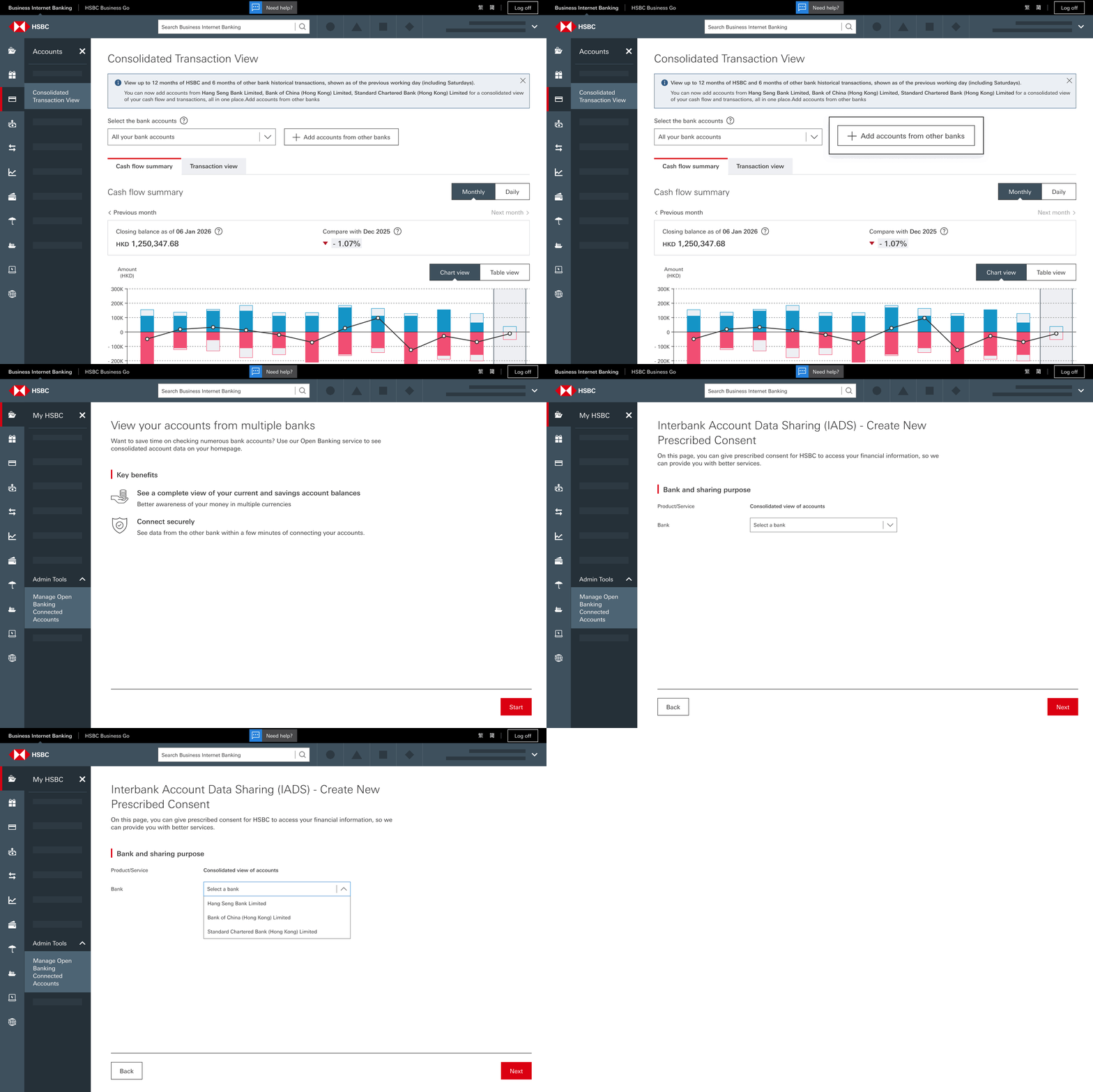
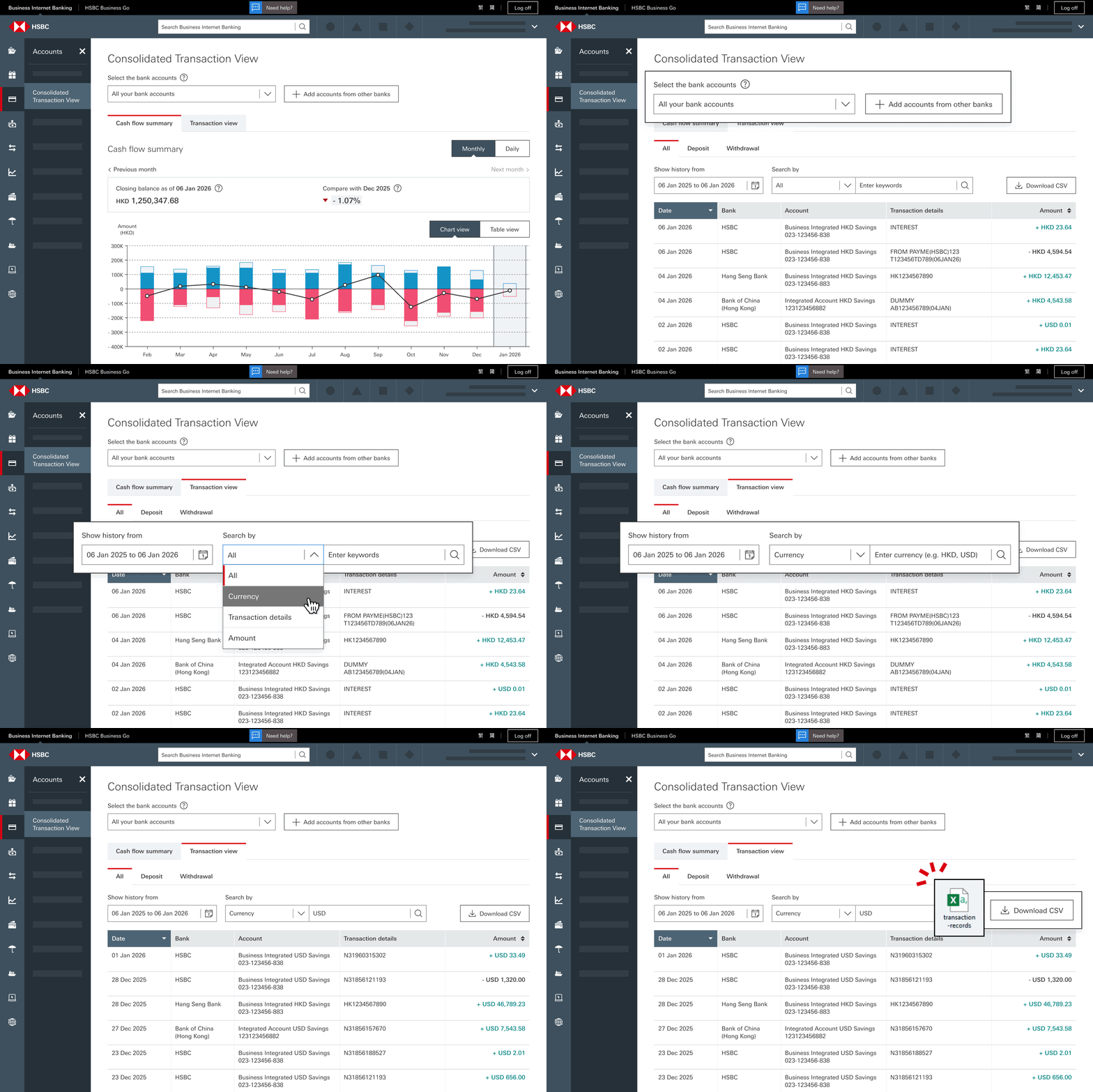
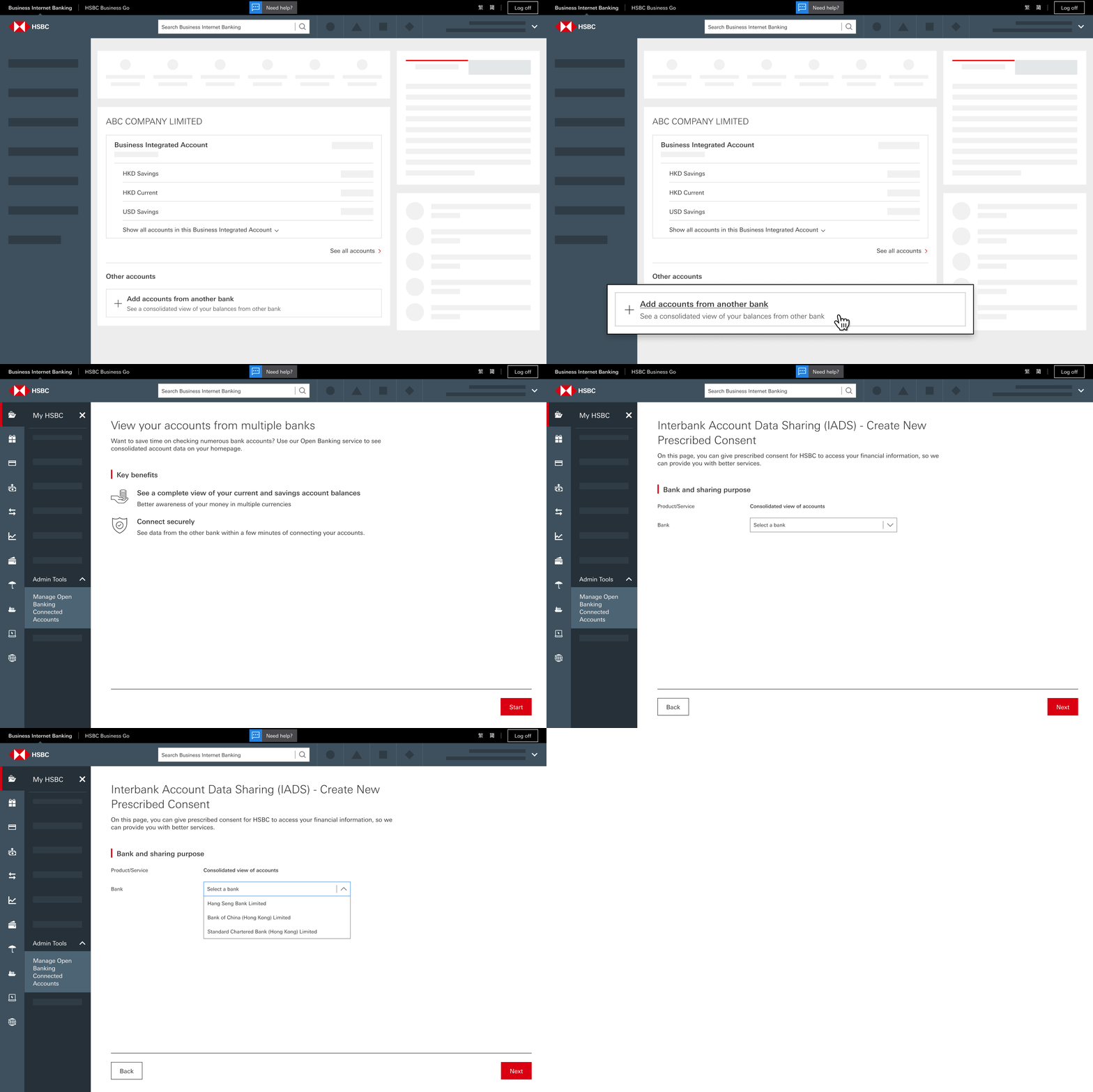
Key point: Maintain clear and up-to-date records for tax and audit purposes
Tip #8 account fitness checklist
|
|
|
|
 Do:
Do: Don’t:
By keeping your records clear, current and well-organised, you are helping your business remain transparent, compliant and ready for whatever comes next.
As your trusted banking partner, we're here to support you as you begin your business fitness journey and work towards achieving your ambitions. To explore more account fitness tips and learn how to establish proper business account practices, visit https://www.business.hsbc.com.hk/en-gb/campaigns/account-fitness.
Download the business account fitness guide
Download the complete “Business account fitness guide” now for more real-world business scenarios to help you understand how to establish proper business account practices for smooth operations.